16
Jun
Everest Base Camp Trek Permits Explained: Everything You Need to Know Before You Go
Everest Base Camp Trek Permits Explained: Everything You Need to Know Before You Go
Introduction
The Everest Base Camp Trek is one of the world's most iconic trekking adventures. Every year, thousands of trekkers from across the globe travel to Nepal with one dream in mind: standing beneath the world's highest mountain and experiencing the breathtaking beauty of the Khumbu region.
While most trekkers spend time preparing physically for the journey, many overlook an equally important part of the planning process: obtaining the necessary trekking permits.
Permits are not just pieces of paper. They play a vital role in protecting the environment, supporting local communities, maintaining trekking infrastructure, and ensuring the safety of visitors. Without the proper permits, trekkers may face penalties, delays, or even be denied access to certain areas.
If you're planning an Everest Base Camp trek, understanding the permit system will help make your adventure smoother and stress-free. In this guide, we'll explain everything you need to know about Everest Base Camp trekking permits, including costs, where to obtain them, required documents, regulations, and useful tips.
Why Are Permits Required for the Everest Base Camp Trek?
Many first-time visitors wonder why permits are necessary for trekking in Nepal.
The answer is simple.
The Everest region is a protected area that attracts large numbers of visitors every year. Permit fees help fund:
- Conservation of natural resources
- Protection of wildlife and ecosystems
- Maintenance of trekking trails
- Waste management programs
- Rescue and emergency support systems
- Community development projects
Permits also allow authorities to monitor trekking activity and keep records of visitors entering the region. This information becomes extremely valuable during emergencies, natural disasters, or search-and-rescue operations.
In short, permits help keep both trekkers and the mountain environment safe.
What Permits Are Required for Everest Base Camp?
Currently, trekkers heading to Everest Base Camp generally need two primary permits:
1. Sagarmatha National Park Entry Permit
2. Khumbu Pasang Lhamu Rural Municipality Permit
Contrary to what many older travel guides mention, the TIMS Card is generally not required for trekkers entering the Everest region through the standard Lukla route.
Let's look at each permit in detail.
Sagarmatha National Park Entry Permit
The Sagarmatha National Park is a UNESCO World Heritage Site and home to Mount Everest along with countless glaciers, forests, rivers, and rare wildlife species.
Every trekker entering the national park must obtain this permit.
Why Is This Permit Important?
The permit supports:
- Environmental conservation
- Wildlife protection
- Trail maintenance
- National park management
- Sustainable tourism initiatives
Without this permit, entry into the park is not allowed.
Cost of the Permit
For foreign nationals:
- NPR 3,000 per person
- 13% VAT
- Total approximately NPR 3,390
For SAARC nationals:
- NPR 1,500 plus VAT
For Nepali citizens:
- NPR 100
Permit fees may change periodically, so it's always wise to verify current rates before traveling.
Where Can You Obtain the Permit?
You have two options:
Option 1: Kathmandu
The permit can be obtained from the Nepal Tourism Board office in Kathmandu before beginning the trek.
This option is convenient because it allows you to complete all paperwork before flying to Lukla.
Option 2: Monjo Checkpoint
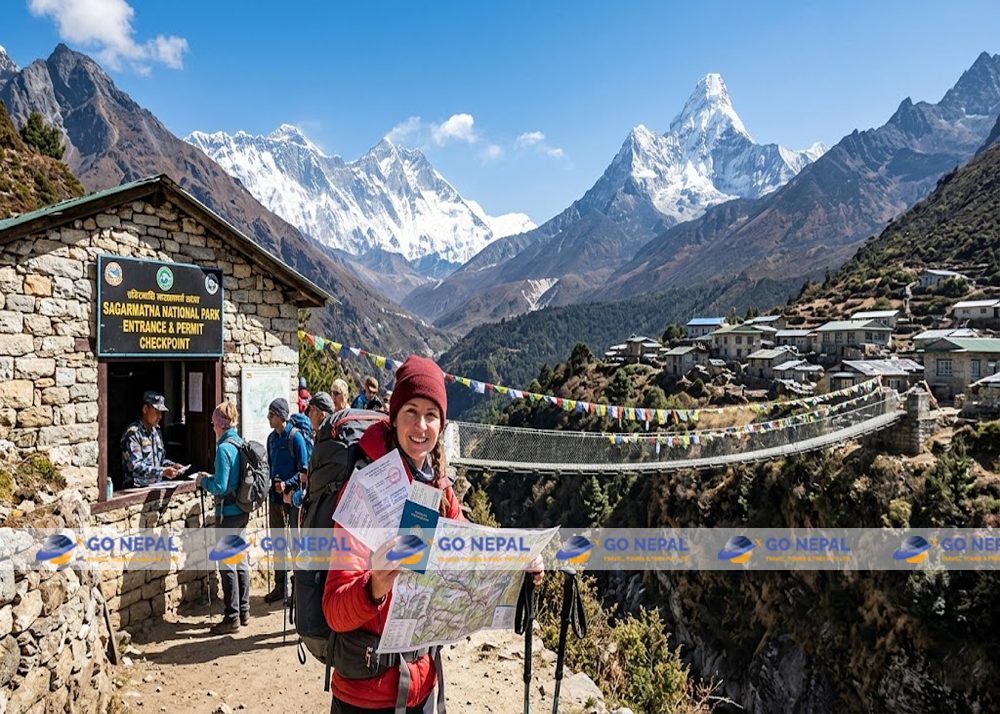
Most trekkers purchase the permit at Monjo, the gateway to Sagarmatha National Park.
This is located between Phakding and Namche Bazaar.
The process is generally straightforward, but during peak trekking seasons there can be queues.
Documents Required
You will usually need:
- Passport
- Valid Nepal visa
- Passport-sized photos (occasionally requested)
- Permit fee payment
Keep both digital and physical copies of important documents whenever possible.
Khumbu Pasang Lhamu Rural Municipality Permit
This permit replaced the TIMS Card requirement for the Everest region.
It is issued by the local government and directly supports development projects within the Khumbu area.
Why Was This Permit Introduced?
Local authorities wanted permit revenue to remain within the region and benefit local communities directly.
Funds collected help support:
- Trail maintenance
- Local infrastructure
- Health facilities
- Waste management programs
- Community development initiatives
The permit has become an important source of funding for the Khumbu region.
Permit Cost
For foreign trekkers:
- NPR 2,000 per person for the first four weeks
For longer stays:
- NPR 2,500 per person
These fees are subject to revision by local authorities.
Where to Obtain the Permit
Most trekkers receive this permit at:
Lukla
or
Monjo
Local officials maintain permit checkpoints where the permit can be issued quickly.
Unlike some permits, this one cannot generally be obtained in Kathmandu beforehand.
Required Documents
You should carry:
- Original passport
- Valid visa
- Trek itinerary
- Emergency contact information
The process typically takes only a few minutes.
Is a TIMS Card Required for Everest Base Camp?
This is one of the most common questions trekkers ask.
Many older blogs and guidebooks still mention the TIMS Card.
However, for the standard Everest Base Camp route through Lukla, trekkers generally do not need a TIMS Card because it has effectively been replaced by the Khumbu Pasang Lhamu Rural Municipality Permit.
That said, permit policies can change over time. Always confirm current regulations with your trekking agency or local tourism authorities before departure.
What Is a TIMS Card?
TIMS stands for Trekker's Information Management System.
The card was introduced to:
- Improve trekker safety
- Track trekking activity
- Assist rescue operations
- Maintain visitor records
Although TIMS remains important for many trekking routes in Nepal, it is generally not required for the standard Everest Base Camp trek.
How Much Do Everest Base Camp Permits Cost Altogether?
For most international trekkers:
Sagarmatha National Park Permit
Approx. NPR 3,390
Khumbu Pasang Lhamu Permit
Approx. NPR 2,000
Total Estimated Cost
Around NPR 5,390 per person
The total cost may vary slightly depending on policy changes and taxation updates.
Compared to the overall cost of the Everest Base Camp trek, permit expenses represent a relatively small portion of the budget.
Important Rules and Regulations
Obtaining permits is only one part of the process.
Trekkers must also follow local regulations throughout the journey.
Always Carry Your Permits
Officials may check permits at various checkpoints.
Keep them accessible during the trek.
Respect Protected Areas
Do not disturb wildlife or damage vegetation.
The Khumbu region contains fragile ecosystems that require protection.
Follow Waste Management Guidelines
Carry reusable water bottles.
Dispose of waste responsibly.
Avoid leaving litter on trails.
Stay on Designated Routes
Marked trails exist for safety and environmental reasons.
Avoid creating shortcuts or unofficial paths.
Respect Local Culture
The Everest region is home to the Sherpa community and numerous monasteries.
Dress respectfully and follow local customs.
Can Your Trekking Agency Arrange the Permits?
Yes.
Most trekking companies, including Go Nepal Travels and Tours, can arrange all necessary permits on your behalf.
This is often the easiest option, especially for first-time visitors.
Benefits include:
- Time savings
- Reduced paperwork
- Fewer administrative concerns
- Guidance on updated regulations
- Assistance with required documents
Many trekkers find that having permits handled by professionals makes the entire preparation process much easier.
Tips for Obtaining Everest Base Camp Permits Smoothly
Carry Multiple Passport Copies
Having several photocopies can save time if additional documentation is requested.
Bring Extra Passport Photos
Although not always required, photos are useful for permits, flights, and unexpected administrative needs.
Keep Digital Copies
Store scans of:
- Passport
- Visa
- Insurance documents
- Permits
Cloud storage and mobile access can be invaluable during travel.
Confirm Latest Permit Policies
Regulations occasionally change.
Check with a reputable trekking company before departure.
Obtain Travel Insurance
While not a permit requirement, comprehensive travel insurance covering high-altitude trekking and helicopter evacuation is strongly recommended.
The Everest region is remote, and rescue operations can be expensive.
Why Permits Matter Beyond Legal Requirements
Some trekkers view permits simply as mandatory fees.
In reality, they contribute to preserving one of the most extraordinary mountain environments on Earth.
The permit system helps:
- Protect Everest's ecosystem
- Improve trail conditions
- Support local communities
- Maintain visitor facilities
- Fund conservation projects
- Enhance safety monitoring
Every permit purchased contributes directly or indirectly to the sustainability of tourism in the Khumbu region.
When you trek responsibly, you're helping ensure that future generations can enjoy the same incredible experience.
Common Mistakes Trekkers Make
Assuming Old Information Is Stil Correct
Permit policies evolve.
Always verify current requirements before your trek.
Losing Permit Documents
Store permits in a waterproof pouch and keep digital backups.
Waiting Until the Last Minute
Although permits are relatively easy to obtain, peak trekking seasons can bring crowds.
Plan ahead whenever possible.
Ignoring Local Regulations
Permits come with responsibilities
Following environmental and cultural guidelines helps preserve the region.
Final Thoughts
The Everest Base Camp Trek is far more than a walk to a famous destination. It is an unforgettable journey through some of the most spectacular landscapes on Earth, passing ancient monasteries, welcoming Sherpa villages, and breathtaking Himalayan scenery.
Before setting out on this adventure, make sure your permit requirements are fully understood and completed. The Sagarmatha National Park Permit and the Khumbu Pasang Lhamu Rural Municipality Permit are essential documents that allow you to trek legally while contributing to conservation and community development efforts throughout the region.
While the permit process is relatively simple, proper preparation can save time and eliminate unnecessary stress. Carry the required documents, stay informed about current regulations, and consider working with an experienced trekking company to handle the logistics.
At Go Nepal Travels and Tours, we help trekkers navigate every step of the Everest Base Camp journey, from permits and transportation to accommodation and experienced local guides. Our goal is to make your Himalayan adventure safe, enjoyable, and truly memorable.
If Everest Base Camp is on your bucket list, now is the perfect time to start planning. The mountains are waiting, and with the right preparation, you'll be ready to experience one of the world's greatest trekking adventures.
Frequently Asked Questions (FAQ) About Everest Base Camp Trek Permits
1. Do I need a permit for the Everest Base Camp Trek?
Yes. All trekkers visiting the Everest region must obtain the required permits before entering protected areas and local administrative zones.
2. What permits are required for the Everest Base Camp Trek?
Most trekkers need:
- Sagarmatha National Park Entry Permit
- Khumbu Pasang Lhamu Rural Municipality Permit
3. Is a TIMS Card required for the Everest Base Camp Trek?
For the standard Everest Base Camp route via Lukla, a TIMS Card is generally not required. The Khumbu Pasang Lhamu Rural Municipality Permit has replaced the TIMS requirement in this region.
4. How much do Everest Base Camp permits cost?
Permit fees can change, but international trekkers typically pay:
- Sagarmatha National Park Permit: Approximately NPR 3,390
- Khumbu Pasang Lhamu Permit: Approximately NPR 2,000
5. Where can I get the Sagarmatha National Park Permit?
You can obtain it:
- At the Nepal Tourism Board office in Kathmandu
- At the Monjo entrance checkpoint before entering Sagarmatha National Park
6. Where can I get the Khumbu Pasang Lhamu Rural Municipality Permit?
This permit is usually issued at:
- Lukla
- Monjo checkpoint
7. What documents are required to obtain trekking permits?
You should carry:
- Original passport
- Valid Nepal visa
- Passport-size photographs (recommended)
- Permit fee payment
- Travel insurance details (recommended)
8. Can my trekking agency arrange the permits for me?
Yes. Most trekking companies, including Go Nepal Travels and Tours, can arrange all necessary permits, making the process simple and hassle-free.
9. Are permits checked during the trek?
Yes. Permit checks are common at various checkpoints throughout the Everest region. Always carry your permits with you during the trek.
10. What happens if I trek without the required permits?
Trekkers without valid permits may face fines, delays, or be denied access to certain areas of the trek.
11. Do children need trekking permits?
Yes. Permit requirements generally apply to all trekkers entering the region, although fees and regulations may vary depending on age and nationality.
12. Can I buy permits online?
Permit policies occasionally change. While some permits may be available through agencies in advance, many trekkers still obtain them in person at designated offices or checkpoints.
13. Why are trekking permits important?
Permit fees support:
- Environmental conservation
- Trail maintenance
- Waste management programs
- Local community development
- Visitor safety and rescue coordination
14. How long are Everest Base Camp permits valid?
The permits are generally valid for the duration of your trek within the permitted area. If you plan an extended stay, additional fees may apply for certain permits.
15. Can I combine Everest Base Camp with other trekking routes using the same permits?
It depends on the route. Some extended treks may require additional permits or restricted area permits. Check with your trekking agency before departure.
16. Should I keep copies of my permits?
Absolutely. It is a good idea to keep:
- Physical photocopies
- Digital copies stored on your phone or cloud storage
This can be helpful if documents are lost or damaged during the trek.
17. Are permit fees refundable if I cancel my trek?
In most cases, permit fees are non-refundable once issued. Always confirm the latest policy before purchasing.
18. What is the best way to avoid permit-related problems?
- Apply early when possible
- Carry all required documents
- Keep multiple copies of important paperwork
- Use a reputable trekking company
- Stay updated on current permit regulations before your trek
19. Do I need travel insurance to get a permit?
Travel insurance is generally not required to obtain permits, but it is highly recommended, especially insurance that covers high-altitude trekking and emergency helicopter evacuation.
20. Can Go Nepal Travels and Tours help with permit arrangements?
Yes. Go Nepal Travels and Tours can assist with permit processing, trek planning, accommodation, guides, transportation, and other logistics, allowing you to focus on enjoying your Everest Base Camp adventure.


