03
Jun
Nepal Trekking Photography Guide: Best Spots to Capture Iconic Himalayan Views
Nepal Trekking Photography Guide: Best Spots to Capture Iconic Himalayan Views
Key Highlights
Nepal is one of the best countries in the world for trekking photography because every route offers a different face of the Himalayas.
Everest, Annapurna, Langtang, Manaslu, Mardi Himal, and Gosaikunda are among the most rewarding trekking regions for mountain photography.
The best light for Himalayan photos usually comes during sunrise and sunset, especially from high viewpoints like Kala Patthar, Poon Hill, Mardi Himal Viewpoint, and Gokyo Ri.
Photography in Nepal is not only about mountains. Villages, monasteries, prayer flags, suspension bridges, forests, lakes, yaks, stone houses, and local people also make the journey visually powerful.
Spring and autumn are generally the most popular seasons for clear mountain views, while winter can offer crisp skies with fewer trekkers.
Trekkers should always respect local culture, ask before taking portraits, protect nature, and avoid unsafe photo risks on cliffs, ridges, glaciers, and high passes.
Table of Contents
1. Introduction
2. Why Nepal Is a Dream Destination for Trekking Photography
3. Best Time for Mountain Photography in Nepal
4. Everest Region: Iconic Views of the World’s Highest Peak
5. Annapurna Region: Classic Himalayan Landscapes
6. Mardi Himal: Close-Up Views with Less Crowd
7. Langtang Valley: Beautiful Mountains Near Kathmandu
8. Manaslu Circuit: Raw, Remote, and Photogenic
9. Gosaikunda Trek: Sacred Lakes and High Mountain Drama
10. Upper Mustang: Desert Landscapes and Tibetan Culture
11. What to Photograph Besides Mountains
12. Simple Photography Tips for Nepal Treks
13. Responsible Trekking Photography in Nepal
14. Final Thoughts
Introduction
Nepal is not just a trekking destination. It is a living gallery of mountains, forests, rivers, villages, temples, monasteries, and ancient walking trails. For anyone who loves photography, trekking in Nepal feels like carrying a camera through a natural masterpiece.
From the snowy face of Mount Everest to the golden sunrise over Annapurna, from the peaceful lakes of Gosaikunda to the dramatic ridges of Mardi Himal, every trail has its own beauty. Some views are famous around the world. Others appear suddenly after a long climb, a turn in the trail, or a quiet morning before the village wakes up.
For Go Nepal Travels and Tours, trekking is not only about reaching a destination. It is about experiencing Nepal slowly, step by step. Photography helps trekkers remember those moments clearly: the first glimpse of the Himalayas, the prayer flags moving in the wind, the warm smile of a local tea house owner, or the silence of a mountain sunrise.
This Nepal trekking photography guide is written for travelers, trekkers, bloggers, vloggers, and nature lovers who want to capture iconic Himalayan views. Whether you are carrying a DSLR, mirrorless camera, GoPro, drone, or just a mobile phone, Nepal gives you endless opportunities to take unforgettable photos.
Why Nepal Is a Dream Destination for Trekking Photography
Nepal is home to some of the highest mountains on earth, including Mount Everest. The Everest Base Camp trek is one of the most visited trekking routes in the Himalayas, and Nepal Tourism Board describes Lukla as the common gateway for this two-week journey.
But Nepal’s beauty is not limited to Everest. The Annapurna region is known as one of the most diverse and popular trekking areas in Nepal, offering everything from short three-day treks to longer routes like the Annapurna Circuit.
This variety makes Nepal special for photographers. In one trek, you may pass through green hills, rhododendron forests, stone villages, river valleys, high pastures, glaciers, and snow-covered peaks. The landscape changes almost every day.
For photography, this is a blessing. You are not taking the same kind of mountain photo again and again. One day you may capture a misty forest. The next day you may photograph a yak caravan under a blue sky. A few days later, you may be standing in front of an 8,000-meter mountain glowing orange during sunrise.
Nepal also has strong cultural depth. The trails are filled with Buddhist monasteries, Hindu shrines, prayer wheels, mani walls, chortens, colorful houses, and traditional farming villages. These details bring emotion and story into your photos.
A mountain photo may look beautiful, but a mountain photo with people, culture, and feeling becomes memorable.
Best Time for Mountain Photography in Nepal
The best time for trekking photography in Nepal is usually during autumn and spring.
Autumn, from September to November, is one of the most popular trekking seasons. The skies are often clearer after the monsoon, the mountain views are sharp, and the weather is generally stable. This is a great time for wide mountain landscapes, sunrise photography, and classic trekking shots.
Spring, from March to May, is also beautiful. The trails become colorful with rhododendron flowers, especially in the Annapurna, Langtang, and lower Everest regions. The mountains are still visible, and the forests add extra life to your photographs.
Winter, from December to February, can be cold, especially at higher altitudes. But for photographers, winter can be rewarding because the air is often crisp, the skies can be very clear, and popular viewpoints may be less crowded.
Monsoon, from June to August, is not the first choice for mountain photography because clouds and rain often block the views. However, it can still be interesting for photographers who enjoy green landscapes, waterfalls, dramatic clouds, and quieter trails. Some rain-shadow areas like Upper Mustang are better during this period.
The simple rule is this: for clear mountain views, choose autumn or winter. For flowers and warmer trekking conditions, choose spring. For unique landscapes and fewer crowds, consider selected monsoon-friendly routes.
Everest Region: Iconic Views of the World’s Highest Peak
The Everest region is one of the strongest choices for photographers who want dramatic Himalayan images. It is famous for Mount Everest, but the region offers much more than one mountain. The trek normally begins from Lukla and passes through places like Phakding, Namche Bazaar, Tengboche, Dingboche, Lobuche, Gorakshep, Everest Base Camp, and Kala Patthar. Nepal Tourism Board notes that Everest Base Camp is among the most popular Himalayan trekking regions and that most trekkers begin the journey by flying to Lukla.
Best Photography Spots in the Everest Region
Namche Bazaar
Namche is one of the best places to capture mountain life. The town sits like an amphitheater on the hillside, surrounded by peaks. Early morning is beautiful here, especially when the sun touches the rooftops and the mountains behind the village.
Everest View Hotel Area
This is one of the best places to get your first clear view of Everest, Ama Dablam, Lhotse, and other peaks. It is perfect for wide-angle landscape photos.
Tengboche Monastery
Tengboche is a dream location for cultural and mountain photography. The monastery, prayer flags, monks, and the background of Ama Dablam create a powerful frame. Visit during early morning or late afternoon for soft light.
Dingboche and Chhukung Valley
This area gives open valley views with dramatic mountain walls. The landscape feels wider, quieter, and more rugged. It is great for storytelling photos.
Everest Base Camp
Everest Base Camp is more about achievement and atmosphere than clear Everest views. You can photograph ice formations, prayer flags, expedition camps during climbing season, and trekkers celebrating their arrival.
Kala Patthar
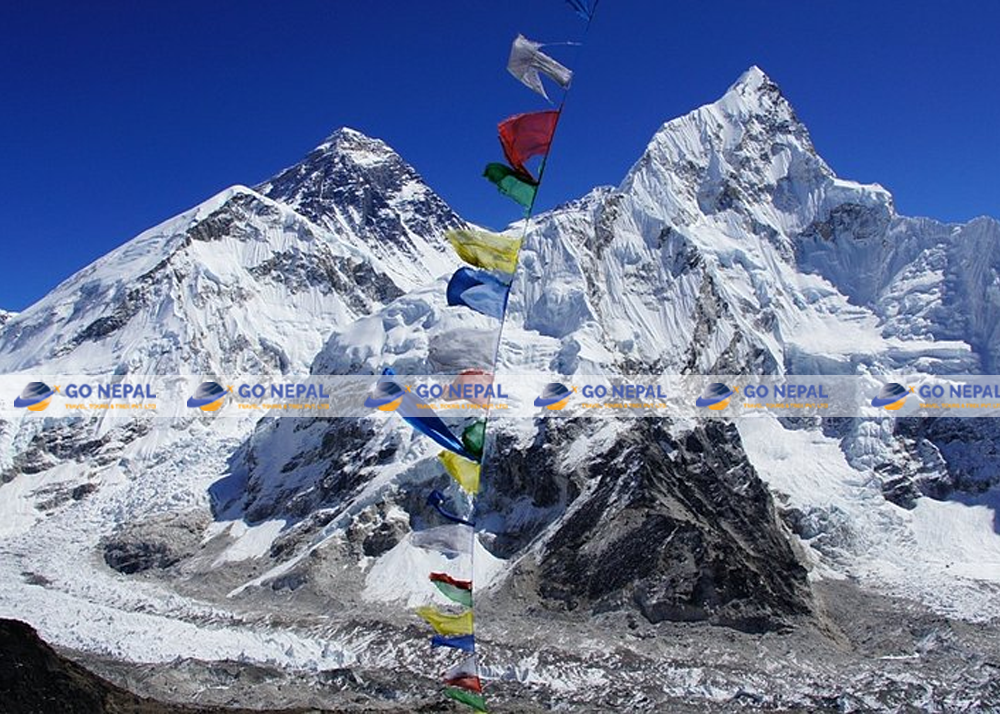
Kala Patthar is one of the most iconic viewpoints in Nepal. The Nepal Tourism Board trade page mentions Kala Patthar at 5,545 meters and notes that much of Mount Everest is clearly visible from there.
For photographers, Kala Patthar is often better than Everest Base Camp because it gives a more open view of Everest, Nuptse, Pumori, and the surrounding peaks. Sunrise and sunset are both powerful, but sunset often gives warmer light on Everest.
Annapurna Region: Classic Himalayan Landscapes
The Annapurna region is one of Nepal’s most loved trekking areas because it offers huge variety. The trails can be short, moderate, or long, depending on the route. Nepal Tourism Board describes the Annapurna region as one of the best trekking trail areas in the world, with options ranging from short treks to the full Annapurna Circuit. For photographers, Annapurna is a perfect mix of mountain views, villages, forests, rivers, and sunrise viewpoints.
Best Photography Spots in the Annapurna Region
Poon Hill
Poon Hill is one of the most famous sunrise viewpoints in Nepal. It offers panoramic views of Annapurna, Dhaulagiri, Machhapuchhre, Nilgiri, and surrounding peaks. The classic photo is taken early in the morning when the mountains turn golden.
Ghandruk Village
Ghandruk is a beautiful Gurung village with traditional stone houses and mountain views. It is ideal for cultural photography, village scenes, portraits, and lifestyle shots. Machhapuchhre often appears beautifully in the background.
Annapurna Base Camp
Annapurna Base Camp is one of the most dramatic photography locations in Nepal. The base camp sits inside a natural mountain amphitheater surrounded by Annapurna I, Annapurna South, Hiunchuli, Machhapuchhre, and other peaks. Morning light here is unforgettable.
Machhapuchhre Base Camp
Before reaching Annapurna Base Camp, Machhapuchhre Base Camp offers stunning views of the sacred fishtail mountain. It is a strong location for sunrise, sunset, and night photography.
Annapurna Circuit Viewpoints
The Annapurna Circuit gives photographers a wider range of landscapes. Lower areas are green and full of villages, while higher sections near Manang, Thorong La, and Muktinath feel dry, rugged, and almost Tibetan in character.
Mardi Himal: Close-Up Views with Less Crowd
Mardi Himal has become a favorite trek for photographers who want close mountain views without committing to a very long journey. The route is shorter than many classic treks, but the views are powerful. The highlight of Mardi Himal is the close-up view of Machhapuchhre, also known as Fishtail. The mountain looks sharp, elegant, and almost unreal from the upper viewpoint.
Best Photography Spots on Mardi Himal Trek
Forest Camp to Low Camp
This section is beautiful for mood photography. The trail passes through forests, moss-covered trees, and quiet paths. On foggy days, the area feels mysterious and cinematic.
High Camp
High Camp gives excellent mountain views, especially when the weather is clear. It is a good place for sunset photography.
Mardi Himal Viewpoint
This is the main photography reward of the trek. The ridge gives a dramatic view of Machhapuchhre, Annapurna South, Hiunchuli, and Mardi Himal. Sunrise is the best time to shoot here.
Mardi Himal is great for mobile photographers too because the mountains are close and clear. You do not always need a long lens to capture strong images.
Langtang Valley: Beautiful Mountains Near Kathmandu
Langtang Valley is one of the best trekking regions for people who want Himalayan photography without going too far from Kathmandu. The region offers forests, rivers, yak pastures, villages, monasteries, and mountain views. Nepal Tourism Board lists Langtang Trek and Langtang Gosaikunda Trek among trekking routes where guides and TIMS cards are mandatory on most Himalayan routes. Langtang is especially good for photographers who love a mix of culture and nature. It feels less commercial than some busier trekking areas, yet it still gives beautiful mountain scenery.
Best Photography Spots in Langtang
Lama Hotel Forest Trail
This section is good for forest photography, rivers, waterfalls, and moody trekking shots.
Langtang Village Area
The rebuilt village, stone houses, prayer flags, and mountain background offer emotional storytelling opportunities.
Kyanjin Gompa
Kyanjin Gompa is one of the most photogenic places in the Langtang region. The village is surrounded by mountains and open landscapes.
Kyanjin Ri
Kyanjin Ri is one of the best viewpoints in Langtang. From here, you can capture Langtang Lirung, glaciers, valleys, and surrounding peaks.
Tserko Ri
For stronger trekkers, Tserko Ri offers even wider mountain views. It is a great sunrise viewpoint, but the climb is demanding.
Manaslu Circuit: Raw, Remote, and Photogenic
Manaslu Circuit is for photographers who want something more remote and less crowded. The landscapes are wild, the villages are traditional, and the mountains feel powerful. The route circles Mount Manaslu, the eighth-highest mountain in the world. It passes through different climate zones, from green valleys to high alpine terrain. The cultural influence also changes as the trail gets closer to the Tibetan border.
Best Photography Spots on Manaslu Circuit
Jagat and Deng Area
These lower villages are excellent for capturing stone houses, narrow trails, river valleys, and local life.
Namrung
Namrung offers beautiful mountain views and traditional village scenes. It is a strong place for morning photography.
Lho Village
Lho is one of the best photography stops on the Manaslu Circuit. The view of Manaslu from the village is stunning, especially with the monastery and prayer flags in the foreground.
Sama Gaun
Sama Gaun is a major highlight. It is a beautiful village with wide mountain views, yak pastures, and access to side hikes.
Pungyen Gompa Side Trip
This side trip gives one of the best close-up views of Manaslu. It is peaceful, spiritual, and visually dramatic.
Larkya La Pass
Larkya La is challenging, but it offers high mountain landscapes, snow, prayer flags, and a true adventure feel. Photographers should be careful here because altitude, cold, and wind can make shooting difficult.
Gosaikunda Trek: Sacred Lakes and High Mountain Drama
Gosaikunda is one of Nepal’s most spiritual and scenic trekking destinations. The sacred lake sits high in the mountains and attracts both trekkers and pilgrims. For photographers, the combination of lake, mountain, clouds, and religious importance makes this trek special. The route is often connected with Langtang or Helambu, but it can also be done as a shorter trek from Dhunche or Sundarijal, depending on the itinerary.
Best Photography Spots on Gosaikunda Trek
Chandanbari / Sing Gompa
This area is peaceful and good for forest, monastery, and village photography.
Lauribina
Lauribina gives wide mountain views. On clear days, you can see beautiful Himalayan ranges from here.
Gosaikunda Lake
The lake itself is the main photography highlight. Early morning is the best time to capture reflections, calm water, and soft mountain light.
Surya Peak or Nearby High Viewpoints
For trekkers who want a wider view, nearby viewpoints offer dramatic landscapes of lakes, ridges, and mountains.
Gosaikunda is also powerful for storytelling. It is not only a pretty lake. It is a sacred place. Photos from here should respect the spiritual value of the area.
Upper Mustang: Desert Landscapes and Tibetan Culture
Upper Mustang is different from the green trekking routes of Nepal. It is dry, dramatic, and full of ancient culture. The landscapes include red cliffs, caves, old monasteries, whitewashed villages, and desert-like valleys. For photographers, Upper Mustang feels like a completely different world. It is ideal for those who want cultural photography, landscape photography, and unique travel storytelling.
Best Photography Spots in Upper Mustang
Kagbeni
Kagbeni is a beautiful gateway village with narrow alleys, mud houses, and mountain views. It is excellent for street-style travel photography.
Chele and Syangboche Area
The landscapes become dry and dramatic here, with cliffs, canyons, and open skies.
Lo Manthang
Lo Manthang is the cultural heart of Upper Mustang. The old walled city, monasteries, local people, and traditional architecture make it one of Nepal’s best cultural photography locations.
Chhoser Caves
These ancient caves are visually striking and historically interesting. They add mystery and depth to any photo story from Mustang.
Upper Mustang is also good during the monsoon months because it lies in a rain-shadow area. This makes it a strong option when many other trekking routes are wet and cloudy.
What to Photograph Besides Mountains?
Many trekkers focus only on mountain peaks, and that is understandable because the Himalayas are the main attraction. However, the best Nepal trekking photography tells a much deeper story when you capture the people, culture, lifestyle, and small details along the trail. Tea houses are one of the best subjects to photograph because they show the real trekking experience in Nepal. A warm dining room, a cup of tea, muddy boots near the door, or trekkers sitting around a stove can create emotional and natural travel photos.
Local people also add life and meaning to your photography. Portraits of guides, porters, villagers, monks, farmers, and tea house owners can make your photo collection feel more personal and memorable. However, it is always respectful to ask before taking close-up portraits. Along the trail, prayer flags, mani walls, monasteries, and chortens also make beautiful subjects. They represent the spiritual side of the Himalayas and add color, movement, and cultural depth to your images. Suspension bridges are another powerful photography subject on Nepal treks. These bridges often cross deep rivers and valleys, making them perfect for adventure-style photos. Yaks and mules are also part of daily trail life, especially in higher regions, and they look especially beautiful when photographed with mountain backdrops. Forests and flowers should not be missed either. During spring, rhododendron forests bring bright colors to the trails, while misty forests create a peaceful and cinematic mood.
At night, higher-altitude villages can offer excellent opportunities for sky photography. Places like Dingboche, Gokyo, Manang, Kyanjin Gompa, and Annapurna Base Camp can be wonderful for capturing stars when the weather is clear. In the end, trekking photography in Nepal is not only about snowy peaks. It is about capturing the full journey, from quiet villages and warm tea houses to spiritual symbols, local faces, wild trails, and peaceful nights under the Himalayan sky.
Simple Photography Tips for Nepal Treks
· Wake up early: Sunrise gives the best soft light and clear mountain views.
· Use people for scale: Add a person, porter, yak, or tent to show the real size of the mountains.
· Keep your lens clean: Dust, snow, rain, and fingerprints can easily ruin a good photo.
· Carry extra batteries: Cold mountain weather drains batteries faster than normal.
· Pack light: Carry only the camera gear you truly need for long trekking days.
· Shoot wide and close: Capture both big mountain views and small travel details.
· Use golden hour: Sunrise and sunset light make photos warmer and more beautiful.
· Protect your camera: Keep your camera safe from rain, snow, dust, and sudden weather changes.
Final Thoughts
Nepal is one of the finest trekking photography destinations in the world. The country gives you more than mountain views. It gives you stories, emotions, culture, and memories that stay with you long after the trek is over.
Everest gives you scale and adventure. Annapurna gives you variety and classic Himalayan beauty. Mardi Himal gives you close-up mountain drama. Langtang gives you peaceful mountain culture near Kathmandu. Manaslu gives you raw wilderness. Gosaikunda gives you sacred lakes and spiritual atmosphere. Upper Mustang gives you ancient culture and desert landscapes. Every trekking route in Nepal has its own character, and every trail offers something special for photographers and nature lovers.
The best photos in Nepal are not always taken from the highest viewpoint. Sometimes they come from simple moments: steam rising from a cup of tea, morning light touching a stone village, a guide smiling after a hard climb, prayer flags moving against a blue Himalayan sky, or trekkers walking quietly through a misty forest. These small details make your journey feel real and meaningful. For travelers who want to experience and capture Nepal properly, planning the right trek is very important. At Go Nepal Travels and Tours, we help travelers choose trekking routes that match their time, fitness level, travel interest, and photography goals. Whether you dream of Everest, Annapurna, Langtang, Manaslu, Mardi Himal, Gosaikunda, or Upper Mustang, Nepal has a trail that can give you the mountain view and travel experience you are looking for.
So, bring your camera, bring your patience, and come with an open heart. Walk slowly, wake up early, respect the trail, and enjoy every moment along the way. The Himalayas are already beautiful. You only need to be there at the right time to capture them.
Plan your next trekking photography journey with Go Nepal Travels and Tours and experience Nepal beyond the ordinary mountain view.


