24
Mar
Off-the-Beaten-Path: Discovering the Secrets of Upper Mustang
Off-the-Beaten-Path: Discovering the Secrets of Upper Mustang
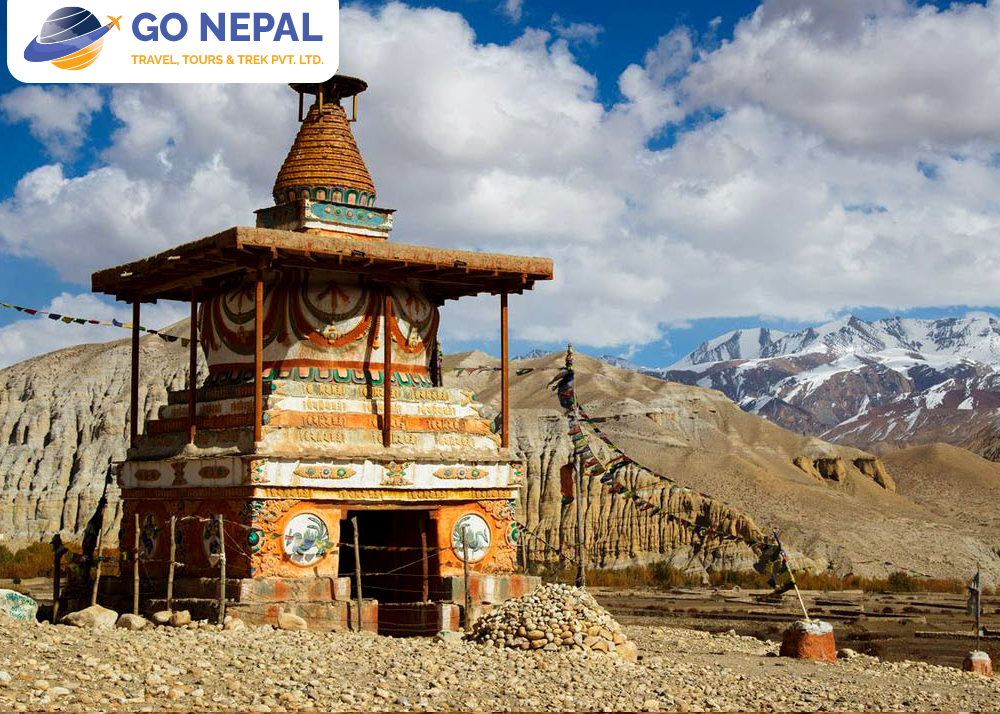
If you are looking for a place where time seems to have hit a permanent pause button, Upper Mustang is it. Often whispered about as the "Last Forbidden Kingdom," this high-altitude desert in Nepal isn't just a destination; it’s a portal to a 15th-century world. Tucked away in the rain shadow of the Annapurna and Dhaulagiri massifs, it offers a landscape so stark and dramatic it feels more like the surface of Mars than the Himalayas. For travelers who have "been there, done that" with Everest or the Annapurna Circuit, Upper Mustang is the final frontier. Here is everything you need to know about uncovering its secrets in 2026.
The Big News for 2026: More Access, Less Cost
For decades, the biggest barrier to visiting Lo Manthang was the steep $500 Restricted Area Permit (RAP). It was a flat fee for 10 days, whether you stayed for three or ten. As of 2026, the rules have shifted. The Nepalese government has introduced a more flexible $50 per day permit system. This is a game-changer for overlanders, mountain bikers, and those on a tighter schedule. You now only pay for the time you actually spend within the restricted zone (past Kagbeni). While you still need a licensed guide and a minimum of two travelers to apply, the region has never been more accessible to the modern adventurer.
Secrets Hidden in Plain Sight: The Sky Caves
One of the most enduring mysteries of Upper Mustang is the Sky Caves. Thousands of man-made holes are carved high into the fluted red cliffs, some as high as 150 feet from the ground. Archeologists are still debating their true purpose. Were they burial chambers? Meditation retreats for tantric masters? Or high-altitude bunkers used during times of war? Exploring the Chhoser Cave complex near the Tibetan border feels like walking through a vertical labyrinth. Some of these caves are five stories high with dozens of interconnected rooms. Standing inside, looking out over the arid valley, you can almost hear the echoes of the ancient civilizations that called these cliffs home.
Lo Manthang: The Walled Capital
The crown jewel of the region is Lo Manthang, the ancient capital of the Kingdom of Lo. Enclosed by a massive white-washed earthen wall, the city is a maze of narrow alleys, prayer wheels, and centuries-old monasteries.
Highlights of the Capital:
Jampa Lhakhang: Built in the early 15th century, this "God House" contains massive, intricate murals that are considered some of the best-preserved examples of Tibetan Buddhist art in the world.
Thubchen Gompa: A massive assembly hall where the sheer scale of the statues and the scent of juniper incense transport you back to the era of the Silk Road.
The Royal Palace: While the monarchy was officially abolished in 2008, the palace remains a symbol of the region’s identity. If you're lucky, you might even meet members of the former royal family.
When to Go: The Rain Shadow Advantage
Unlike most of Nepal, Upper Mustang is a year-round destination. Because it sits in the rain shadow, it remains dry while the rest of the country is drenched by the monsoon (June to August).
Spring (March–May): The best time for culture lovers. The Tiji Festival usually falls in May. In 2026, it is scheduled for May 14th to 16th. It’s a three-day ritual of masked dances, traditional music, and vibrant costumes celebrating the victory of good over evil.
Summer/Monsoon (June–August): While the flight to Jomsom can be tricky due to clouds, the trekking inside Mustang is perfect. The fields are a rare, brilliant green against the red cliffs.
Autumn (September–November): This is the "Golden Window." The air is impossibly clear, making the snow-capped peaks of Nilgiri and Dhaulagiri pop against the deep blue sky.
Essential Travel Tips for 2026
1. The Dust Factor
The afternoon winds in the Kali Gandaki valley are legendary. They pick up around 1:00 PM and can turn a pleasant walk into a grit-filled struggle. Pro Tip: Start your treks early (around 7:00 AM) and carry a high-quality buff or face mask.
2. Connectivity and Cash
While 4G is slowly creeping into Lo Manthang, don't count on it. Most teahouses offer paid Wi-Fi, but it’s temperamental. ATMs are non-existent once you leave Jomsom, so carry enough Nepalese Rupees for your entire stay.
3. Respect the "Left"
When walking past Mani walls (stone walls carved with prayers) or Stupas, always keep them to your right side. This means walking in a clockwise direction. It’s a small gesture that goes a long way in showing respect to the local Loba people.
4. Packing for Contrasts
The sun in Upper Mustang is fierce, but the temperature drops the moment it disappears. You’ll need high-SPF sunscreen and a wide-brimmed hat for the day, and a heavy down jacket for the nights.
Why Choose "Go Nepal" for Your Upper Mustang Expedition?
When you decide to visit Upper Mustang, you aren't just booking a flight or a hotel; you are choosing to enter a fragile, ancient ecosystem that was closed to the world until 1992. This isn’t a place for "cookie-cutter" tourism. It requires a level of logistical precision and cultural nuance that many standard trekking agencies simply don't provide. At Go Nepal, we view ourselves more as cultural stewards than travel agents. We understand that navigating the permit bureaucracy and finding a guide who truly understands the deep-seated history of the sky caves can be incredibly daunting. Here is how we transform a complicated logistics puzzle into the journey of a lifetime.
We Master the Red Tape (So You Don't Have To)
The "Restricted Area Permit" (RAP) system is famously rigid. For Upper Mustang, the rules are different than for Everest or Annapurna. You cannot trek solo; you must be in a group of at least two, accompanied by a government-licensed guide. The paperwork involves multiple checkpoints, specific entry and exit dates, and coordination with the Department of Immigration in Kathmandu. In 2026, with the shift toward a daily permit fee, the math has become more complex. Our team handles every single detail of this process before you even land in Nepal. We ensure your permits are secured, your itinerary is optimized to get the most value out of your daily fees, and you never have to stand in a dusty line at a government office.
Guides Who Are Storytellers, Not Just Navigators
Anyone can follow a trail on a map, but very few can explain the significance of a 14th-century mural in a crumbling monastery or the geological mystery of the sky caves. The guides at Go Nepal are hand-picked for their local knowledge. Many of our Mustang-specific guides have deep roots in the Thakali and Loba communities. They don't just point at a mountain; they tell you the legends of the demons that Guru Rinpoche supposedly fought on those very slopes. When you stand inside a cave 150 feet up a cliffside, our guides provide the historical context that turns a "hole in a rock" into a profound archaeological site.
Curated Expeditions: Your Journey, Your Pace
We believe in "Slow Travel." While some agencies rush travelers through the 12-day circuit to save on costs, we curate an expedition tailored to your physical comfort and curiosity.
The Rugged Trekker: For those who want to feel every inch of the high-altitude desert under their boots, we offer traditional trekking routes that avoid the newly built dirt roads as much as possible, preserving that "old-world" trekking feel.
The 4x4 Jeep Adventure: Upper Mustang is changing, and for many, a rugged Jeep tour is the best way to see the remote corners of the kingdom without the physical toll of 6-hour daily hikes. We use high-clearance, well-maintained SUVs driven by experts who know how to navigate the narrow cliffside passes of the Kali Gandaki.
Photography & Culture Focus: If your goal is to capture the Tiji Festival or spend hours inside the monasteries of Lo Manthang, we adjust the pace to ensure you aren't looking at your watch when the light is perfect.
A Commitment to Sustainable and Respectful Tourism
Upper Mustang is a high-altitude desert with a very delicate balance of resources. Water is scarce, and the traditional way of life is under pressure from modernization.
Go Nepal is committed to Low-Impact Travel. We partner with local teahouses that prioritize waste management and energy efficiency. By choosing Go Nepal, you are ensuring that your tourism dollars go directly back into the local economy supporting the families who have lived in these windswept villages for generations. We teach our guests "Leave No Trace" principles specifically adapted for the Himalayan environment, ensuring that the Mustang we see today remains vibrant for the travelers of 2030 and beyond.
2026: The Window of Opportunity
There is an old saying in the Himalayas: "The road brings things, but it also takes things away." The road to Lo Manthang is expanding. While this brings much-needed supplies to local villages, it is also slowly changing the "forbidden" atmosphere that has defined the region for centuries. 2026 is the perfect middle ground. The infrastructure is better than ever meaning more comfortable beds and better food but the ancient "forbidden" magic is still very much alive.
When you choose Go Nepal, you aren't just seeing a place; you are experiencing a moment in history. Whether you want to witness the masked dances of the Tiji Festival or find silence in a cave that hasn't changed in 500 years, we ensure your journey is respectful, sustainable, and truly unforgettable.


