21
Apr
The Ultimate Guide to Monsoon Trekking in Nepal 2026 Mountains, Mist, and Magic
The Ultimate Guide to Monsoon Trekking in Nepal 2026 Mountains, Mist, and Magic
Most people associate trekking in Nepal with either the April rhododendron flowers or the clear, beautiful skies of October. However, only a select handful are able to witness the Monsoon, a hidden aspect of the Himalayas.
As 2026 approaches, Nepal's travel scene has changed. The "off-season" is no longer off-limits, and infrastructure has improved. Monsoon trekking (June to August) may become your new favorite way to see the roof of the world if you're the type of person who appreciates solitude over crowded summits and colorful emerald scenery over dusty pathways.
Why Trek Nepal in the Monsoon of 2026?
You might be wondering, “Won’t it just rain the whole time?” Not necessarily. While the lowlands and the southern slopes of the Himalayas get hit hard by the Indian Monsoon, Nepal hides several "Rain Shadow" regions. These areas sit behind the massive peaks of the Annapurna and Dhaulagiri ranges, which act as a physical wall, blocking the rain clouds.
The 2026 Advantage:
· Peace and Quiet: The famous trails that are usually "human traffic jams" in autumn are virtually empty.
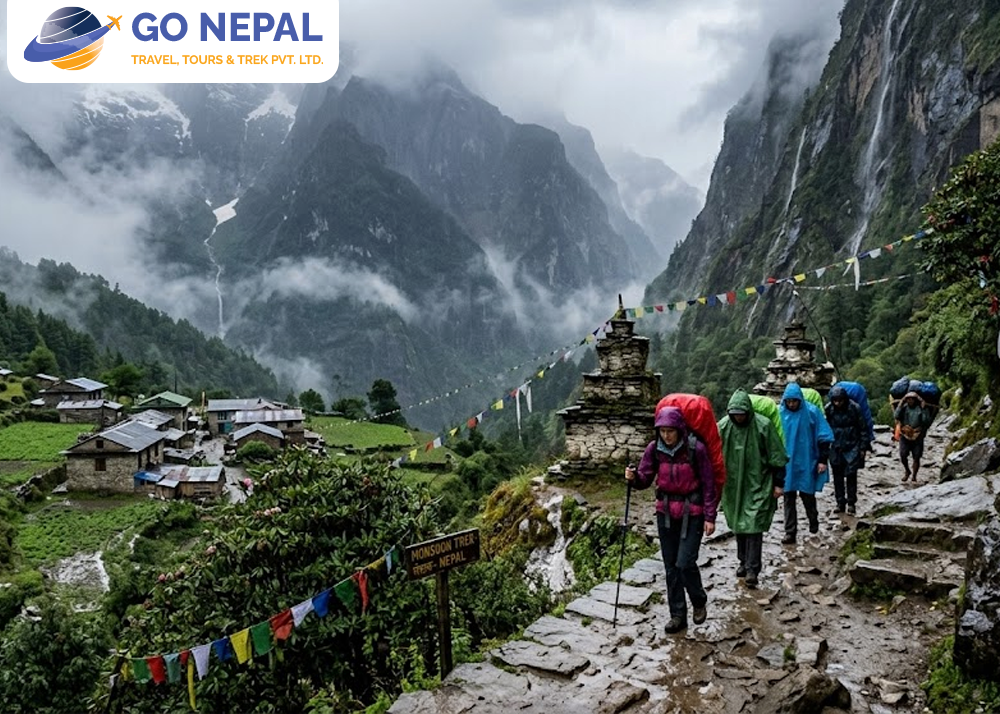
· Vibrant Life: The valleys turn a shade of green so bright it looks photoshopped. Waterfalls are at their peak power.
· Budget-Friendly: Many teahouses and lodges offer significant discounts during these months.
· Cultural Intimacy: With fewer tourists, locals have more time to talk, share stories, and offer a more authentic Himalayan hospitality.
Top 3 Rain-Shadow Treks for 2026
1. Upper Mustang: The Forbidden Kingdom
Upper Mustang is widely regarded as the gold standard for monsoon trekking. Once part of the Tibetan Empire, this remote region is a striking high-altitude desert that offers a unique landscape unlike the rest of Nepal. As of 2026, improved road access from Jomsom has made the journey more convenient, yet the trekking trails still retain their mystical charm. Trekkers are greeted by dramatic red cliffs, ancient cave dwellings, and beautiful white-washed villages that reflect the area’s rich cultural heritage. One of the biggest advantages of visiting during the monsoon is the weather while places like Kathmandu experience heavy rainfall, Upper Mustang remains largely dry. With clear skies and pleasant temperatures ranging from 15°C to 25°C, it provides an ideal trekking experience even in the heart of the rainy season.
2. Upper Dolpo: The Hidden Gem
For those seeking true isolation, Upper Dolpo stands out as one of the most rugged, remote, and spiritually profound trekking destinations in Nepal. Its untouched landscapes and deep cultural heritage make it feel worlds away from modern civilization. The highlight of the region is Shey Phoksundo Lake, where the turquoise waters shimmer beautifully against barren brown hills, creating an unforgettable contrast especially in the soft monsoon light. As of 2026, improved domestic flight connectivity to Juphal Airport has made this once extremely difficult trek more accessible for modern adventurers, allowing more trekkers to experience the raw beauty and isolation of Upper Dolpo.
3. Nar Phu Valley
Tucked away north of the Annapurna Circuit, the Nar Phu Valley is often described as a “lost world” of preserved Tibetan culture and untouched mountain life. The journey through this hidden region offers a truly raw Himalayan experience, including challenging high passes such as Kang La Pass. Sheltered by the towering Annapurna range, the valley also benefits from a unique microclimate, allowing trekkers to largely avoid the heavy monsoon downpours that affect the lower circuit, making it an ideal off-the-beaten-path adventure.
Essential Safety Tips for Monsoon Travel
1. Start Your Day at 6:00 AM
A completely new perspective, meticulous preparation, and a strong emphasis on comfort and safety are necessary while trekking in the Himalayas in the rain. Since monsoon weather in Nepal usually follows a predictable pattern clear or partially clear mornings with rain building up in the afternoon one of the most crucial techniques is to start your day early, ideally about 6:00 AM. You can safely reach your next teahouse without encountering challenging conditions on the trail if you start your trip early enough to cover the majority of the distance before heavy clouds and drizzle arrive.
2. Beware of "The Jumpers" (Leeches)
Dealing with leeches, which are typically prevalent in lower, forested areas below 2,500 meters, is another important factor. These little yet tenacious animals can quickly cling to grass or muddy tracks and become particularly active when it's raining. Traditionally, trekkers would take a little bag of tobacco or salt to get rid of them, but more recent hikers focus on prevention. One of the best ways to protect yourself and make your travel much more comfortable is to wear high-quality gaiters that cover your ankles and lower thighs.
3. Check Road & Flight Status
Since the monsoon season can have a major impact on travel logistics in Nepal, it is also crucial to stay informed about weather and transportation interruptions. The Prithvi Highway, which links important cities like Kathmandu and Pokhara, frequently experiences landslides. Similarly, low visibility can cause domestic flights to mountain gateways like Lukla Airport to be canceled or delayed. Because of this, it is strongly advised that you incorporate buffer days into your 2026 trekking schedule in order to reduce stress and guarantee flexibility.
4. Waterproof Everything
Another essential component of preparing for monsoon trekking is proper waterproofing. When it rains a lot, a basic backpack rain cover is insufficient. Instead, hikers should use separate dry bags to safeguard critical items like passports, documents, and gadgets, and line the inside of their backpacks with sturdy plastic bags. This additional layer of protection guarantees that your vital equipment stays dry and working even under persistent rain.
5. Trekking Poles are Mandatory:
Lastly, during the monsoon season, trekking poles are practically required. Mud, moss, and persistent rain can make trails incredibly slick, making even easy routes difficult. Trekking poles allow you test the ground before entering puddles or unfamiliar terrain, give stability, and lessen knee strain. All things considered, monsoon hiking may be extremely enjoyable and safe with the correct planning and knowledge.
Packing List Essentials for Monsoon Trekking 2026
1. Lightweight Waterproof Rain Shell
A good-quality rain jacket is the most important piece of gear for monsoon trekking. Instead of heavy winter jackets, choose a lightweight waterproof shell that can handle continuous rain while still allowing airflow. Jackets with ventilation features like pit zips are especially useful because they prevent you from overheating while climbing uphill. The goal is to stay dry from both rain and sweat, which is often the real challenge in humid conditions.
2. Quick-Dry Clothing (Synthetic or Merino Wool)
Your clothing choice can make or break your trekking comfort. In monsoon conditions, fabrics that dry quickly are essential. Synthetic materials or merino wool are the best options because they wick away moisture and dry much faster than cotton. Cotton should be avoided completely since it absorbs water and stays damp for hours, causing discomfort, chills, and even skin irritation over time.
3. Waterproof Trekking Boots with Strong Grip
Footwear is critical when trails become wet, muddy, and slippery. A solid pair of waterproof trekking boots helps keep your feet dry while also providing ankle support on uneven terrain. Look for boots with deep, aggressive lugs on the sole, as they improve traction on wet rocks and forest trails. Good grip reduces the risk of slipping, especially during downhill sections.
4. Extra Pairs of Socks (More Than You Think You Need)
Wet feet are one of the fastest ways to ruin a trekking day. Carrying multiple pairs of moisture-wicking socks is essential during monsoon treks. Changing into a dry pair whenever possible helps prevent blisters, fungal infections, and general discomfort. Even if you think you’ve packed enough, it’s always wise to bring a couple of extra pairs as a backup.
5. Waterproof Backpack Protection
Rain can be constant and unpredictable, so protecting your gear is very important. A backpack rain cover alone is not enough for heavy monsoon conditions. Line the inside of your bag with a thick plastic liner or use dry bags for valuables. Electronics, documents, and clothing should always have an extra layer of protection to ensure they remain completely dry.
6. Trekking Poles for Stability
Monsoon trails are often muddy, slippery, and uneven, making trekking poles extremely useful. They help improve balance, reduce pressure on your knees during descents, and give extra support when crossing tricky sections. Many trekkers find that poles also help them move more confidently through puddles and unstable ground.
7. Dry Bags for Electronics and Essentials
Humidity and rain can damage sensitive items quickly. Keeping electronics such as phones, cameras, and power banks in waterproof dry bags is a smart precaution. It also helps to store important documents like permits and ID cards separately in sealed protection to avoid any unexpected damage.
8. Lightweight Quick-Dry Accessories
Small items like hats, buff scarves, and gloves should also be quick-drying and breathable. These accessories help protect you from rain, wind, and occasional cold at higher altitudes. They also add comfort during long walking hours when weather conditions change frequently.
9. Basic Rain & Hygiene Kit
A small hygiene kit becomes more important in wet conditions. Include items like hand sanitizer, wet wipes, and biodegradable soap. These help maintain cleanliness when water sources are limited or when you need quick cleaning during the trek.
10. Emergency and Backup Essentials
Monsoon trekking requires a bit more preparedness. Carrying basic items like a headlamp with extra batteries, a power bank, and a small first aid kit ensures you are ready for delays or unexpected situations caused by weather changes or trail conditions.
The Verdict: Is it worth it?
Trekking Nepal in the monsoon of 2026 isn't for everyone. It requires flexibility, a bit of grit, and a love for the "unfiltered" side of nature. But for those who venture out, the reward is a Nepal that feels private, lush, and incredibly alive.
Go Nepal is ready to show you the side of the mountains that most people miss. Are you ready to embrace the mist?


